
Loading...
Loading...
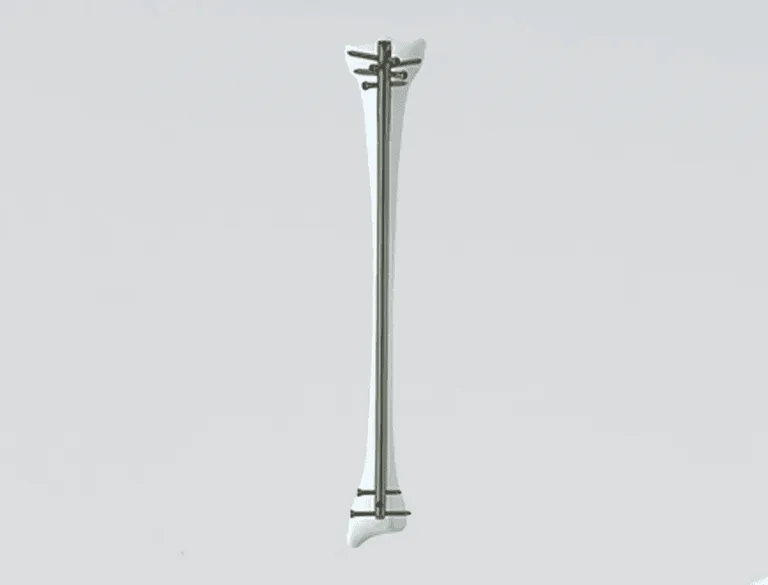
Designed for proximal humeral and humeral shaft fractures, featuring multi-planar locking technology to deliver angular and rotational stability.
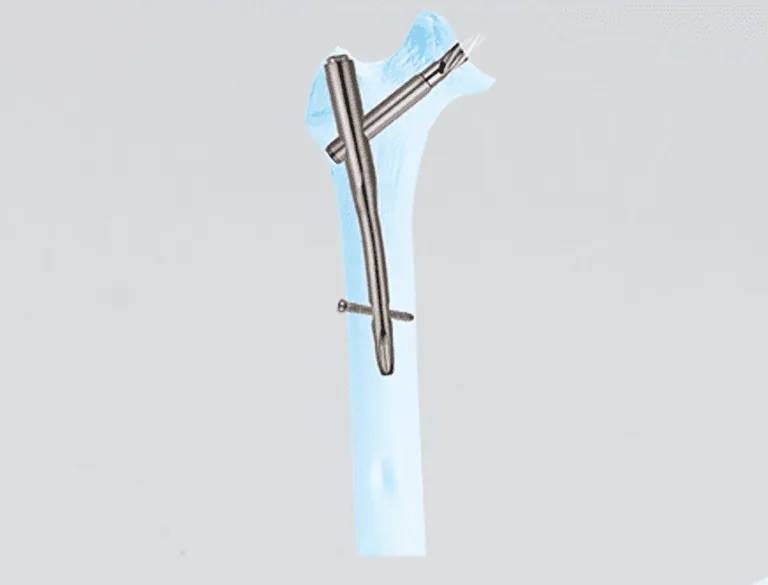
PFNA (Proximal Femoral Nail Antirotation) is indicated for unstable intertrochanteric and subtrochanteric fractures, with helical blade structure for enhanced antirotation performance.
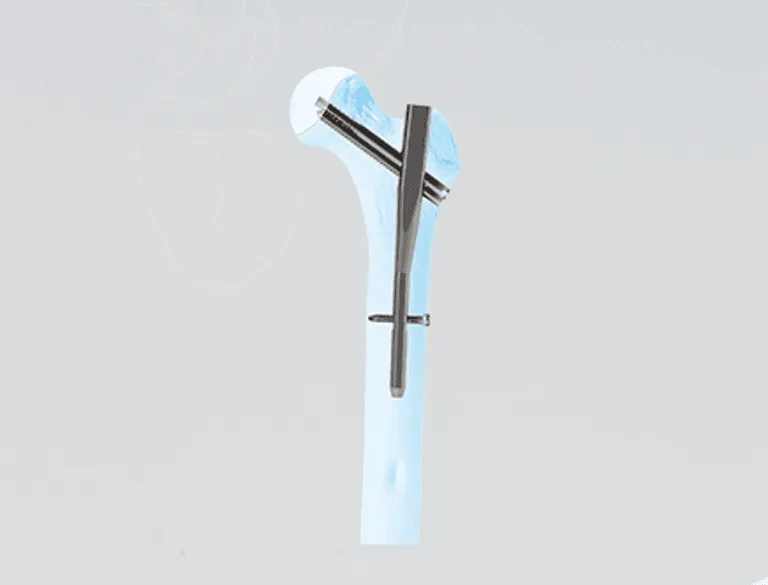
Integrated Intertrochanteric Nail adopts dual-screw structure for antirotation, compression and biomechanical stability, indicated for intertrochanteric and subtrochanteric femoral fractures.
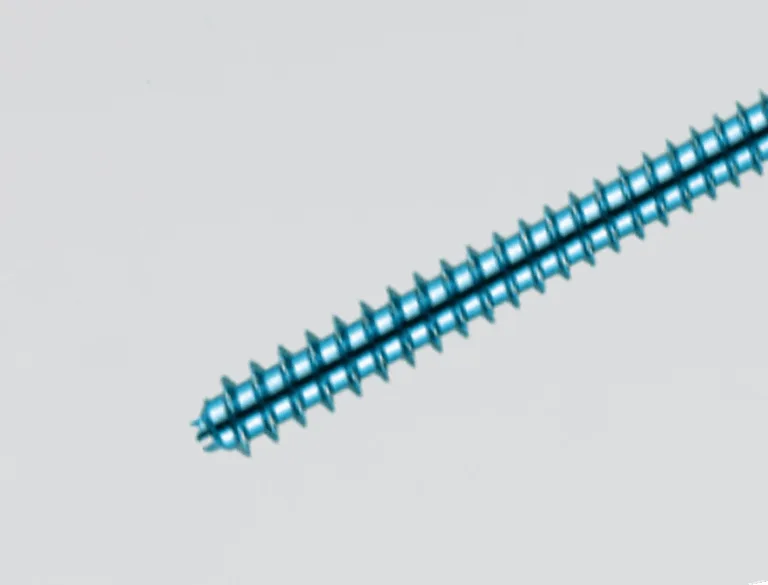
Headless compression cannulated screw is designed for small bone fractures and osteotomies requiring low-profile fixation, with fully buried headless design to deliver controlled compression while minimizing soft tissue irritation.
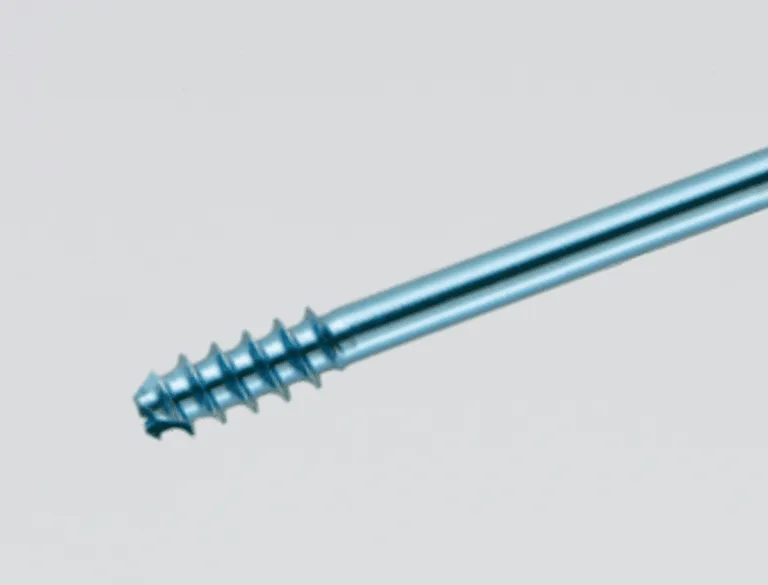
Countersinkable compression cannulated screw is indicated for small bone fractures around joints and thin soft tissue areas, with countersunk head to reduce soft tissue irritation and hardware prominence.
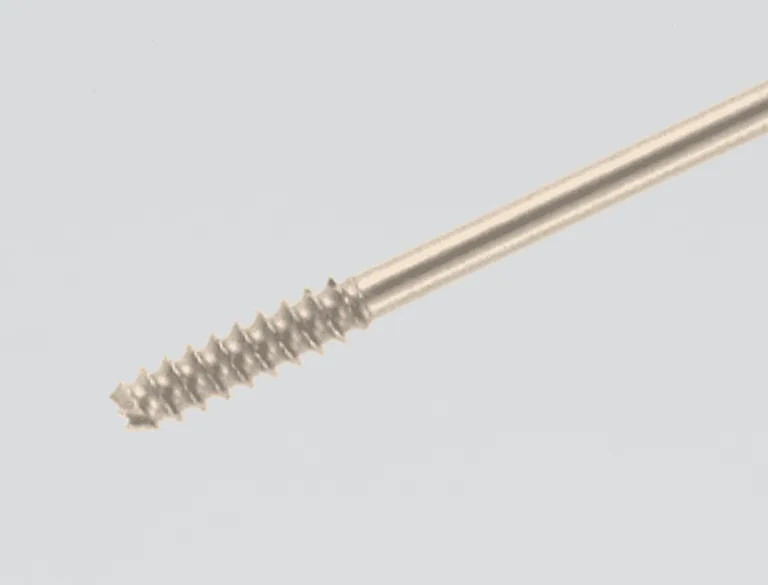
Compression cannulated screw is indicated for stable internal fixation of small bone fractures and osteotomies, providing controlled interfragmentary compression with cannulated design for guide-wire assisted minimally invasive insertion.
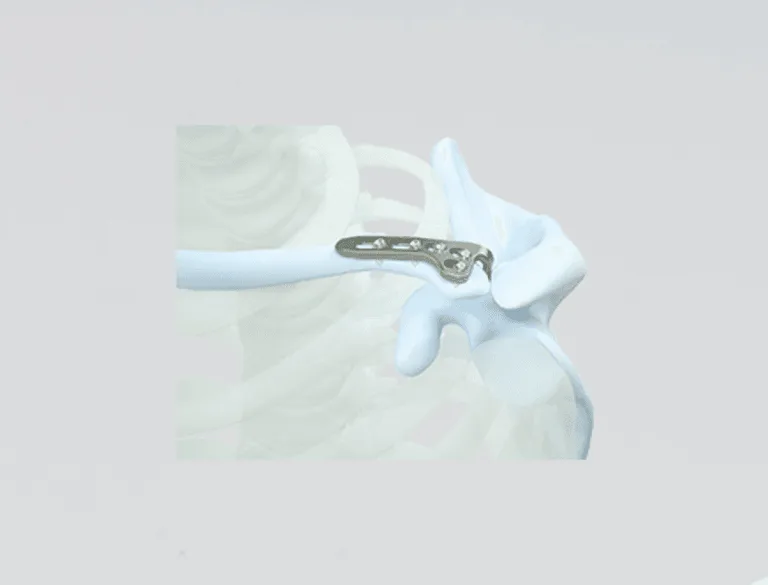
Clavicle hook locking compression plate is indicated for distal clavicle fractures and acromioclavicular joint dislocations, combining locking plate fixation with clavicular hook extension to provide lever stability and maintain reduction via subacromial hook support.
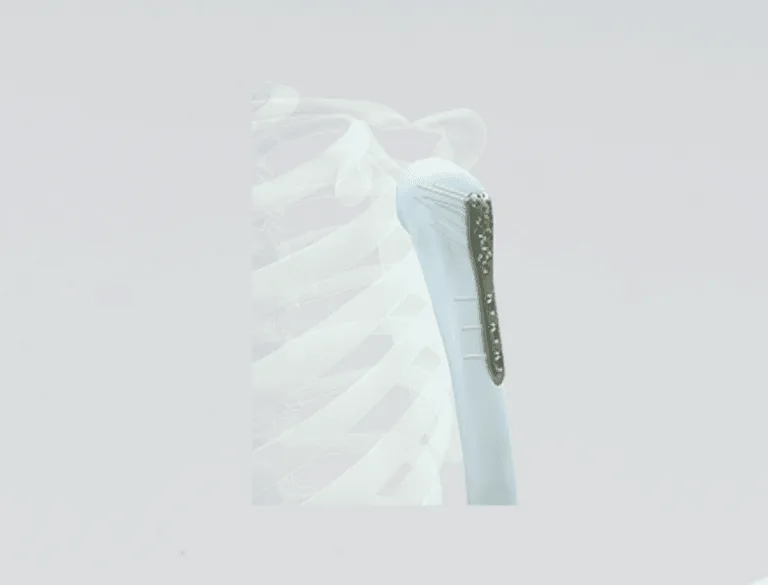
Proximal humeral locking plate is indicated for proximal humerus fractures, with region-specific anatomical contouring to provide stable fixation for humeral head, tuberosities and metaphysis.
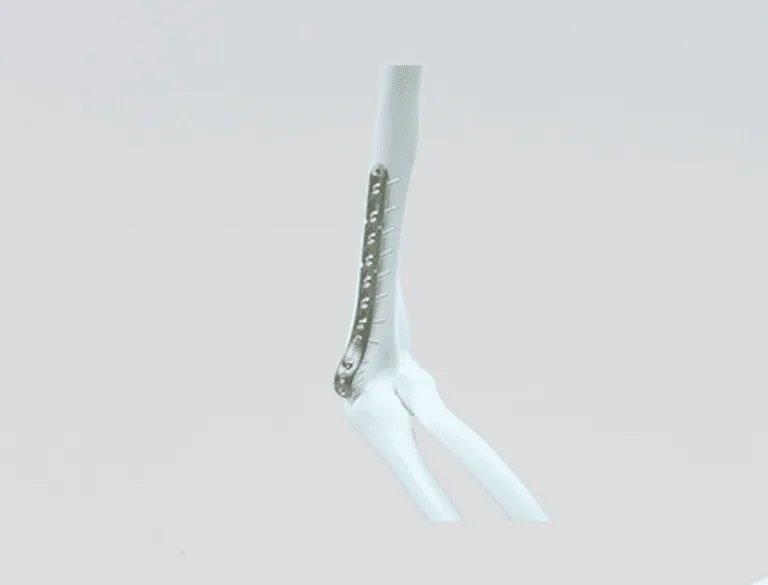
Medial distal humeral locking plate is indicated for complex distal humerus fractures, with anatomical contour design to provide angular stable fixation while preserving soft tissue integrity.